

RD, RB and BN on Copper Coins: Color Is Not the Numerical Grade
Updated: Nov 12

A brown copper coin is not automatically worn out, and a bright red-looking coin is not automatically Mint State. Color and numerical condition describe different aspects of a collectible. When a grading label includes RD, RB or BN, read that notation alongside the grade rather than treating it as the grade itself.
Original photographs from the MCC collection
Collection example: 1940 Lincoln Wheat Cent. Abraham Lincoln faces right, with LIBERTY to the left, IN GOD WE TRUST above and 1940 at the lower right. No D or S is visible below the date in This photographgraph. Two wheat ears frame ONE CENT and UNITED STATES OF AMERICA, with E PLURIBUS UNUM along the upper rim.
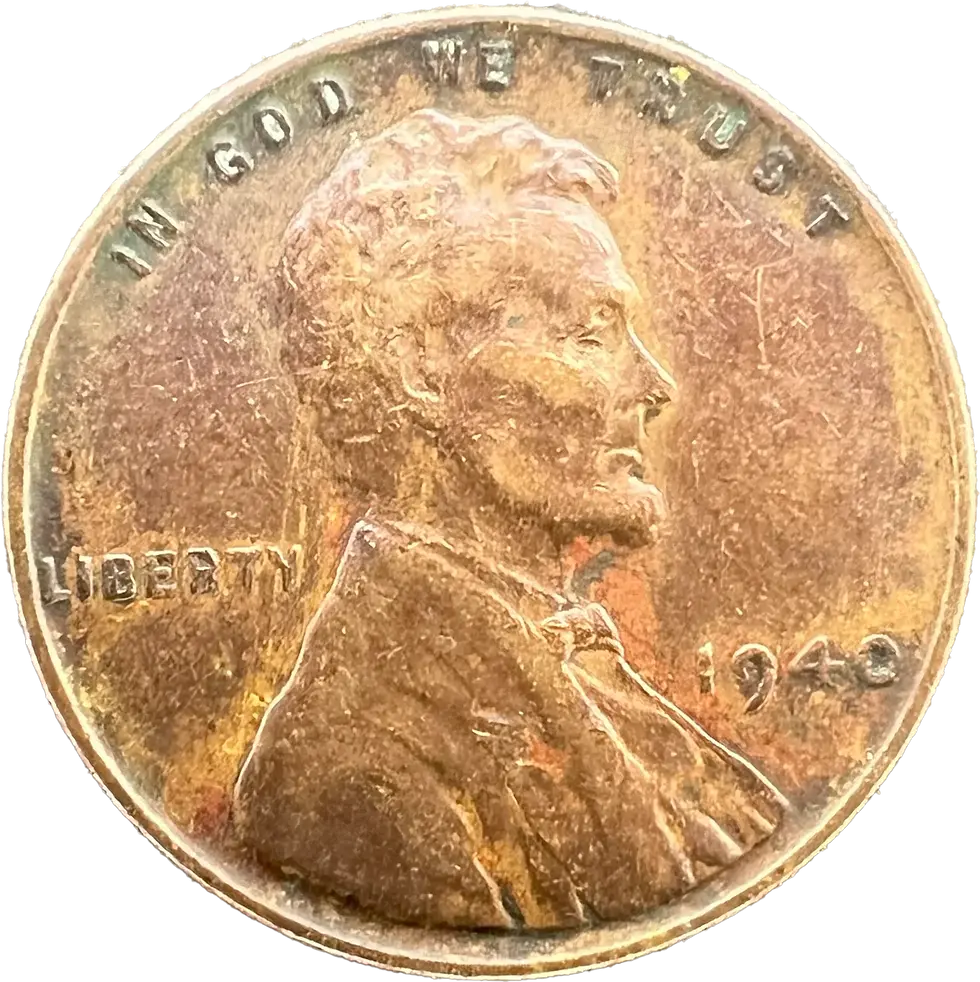

Compare the original specimen photographs with the issue described in this guide. They document design and visible surfaces; they are not a professional grade or confirmation of a rare variety. View the full coin record for specifications and related videos.
This distinction matters when comparing prices for Wheat cents and other copper issues. The same date and numerical grade can appear in different color categories, while two similarly colored raw coins can have very different wear and surface histories.
What the abbreviations communicate
NGC's published grading scale describes RD as full mint red luster, RB as a mixture of red luster and brown patina, and BN as full or nearly full brown patina. These descriptions concern the surface's appearance and retained color.
Do not interpret red as a literal match to one phone-screen shade. Lighting, camera settings and the display alter the photograph. A grading designation involves assessment of the actual coin, not a color sampled from an online thumbnail.
Use the current standards of the service named on the holder. A descriptive brown appearance in your own notes is different from formally assigning a certified BN designation to a raw specimen.
Keep color, wear and surface problems separate
The numerical grade communicates condition under the grading service's standards. Color notation adds information; it does not erase contact marks, wear or other concerns. A shiny surface cannot establish that a coin has never circulated.
Likewise, a uniform dark appearance does not establish that the coin has been cleaned or damaged. Record what can be observed and distinguish that from an explanation of how it developed. Ask for an in-hand assessment when the surface history is important to the purchase.
Our 1920 Wheat cent and 1940 Wheat cent provide photographed study examples. Their images should not be used to promise a grading-service color designation or numerical result.
Photograph copper without manufacturing a color claim
Use consistent, diffuse lighting and retain the original files. Avoid filters that intensify orange or remove brown areas. Include full images of both sides and detail photographs where uneven color or spotting affects evaluation.
If a light source makes the coin look much warmer than it does in hand, describe the limitation and try a more neutral setup. Do not selectively publish only the angle that suggests the most expensive category.
Our photography guide explains a practical setup. Its goal is to communicate the specimen accurately, including features that may make a comparison less attractive.
Compare prices within meaningful categories
For a certified coin, match issue, mint, grade, service and color designation where possible. Check other characteristics and read the lot description. If a reference mixes categories, separate them before building a working estimate.
For a raw coin, acknowledge that the color assignment is uncertain. Do not select a certified red auction record because a reflection makes one portion of the raw coin look orange. Asking prices, guide indications and completed sales should stay in separate groups.
NGC's discussion of copper color emphasizes the range of appearances within these categories. That is a reason to study actual examples, not a reason to assign every similarly shaded coin the same premium. This article does not claim a current price difference between RD, RB and BN examples.
Preserve the surface you are evaluating
Do not polish a brown coin to try to make it red. Changing its appearance does not restore original mint color. Preserve existing surfaces and investigate storage conditions if you notice new changes.
Read should you clean old coins? before considering intervention. For organized price research after identification, use MCC's free Coin Value Checklist.
Frequently asked questions
Is BN a low numerical grade?
No. BN describes a copper-color category. Read the numerical grade separately.
Can a phone photograph prove RD?
No. It can document appearance under that setup, but lighting and image processing limit a formal assessment.
Does every red-looking copper coin deserve a premium?
No. Authenticity, originality, condition, exact issue and relevant market evidence all matter.
Sources and research notes
References checked October 31, 2026. Cover: original conceptual editorial illustration, not diagnostic evidence of a specific coin.


Comments