

Home › Coin Catalog ›
United States
1920 Lincoln Wheat Cent
›
UNITED STATES · LINCOLN WHEAT CENT
1920 Lincoln Wheat Cent
1920 · PHILADELPHIA
Explore our 1920 Lincoln Wheat Cent, featured in the masterclass: identify the mint, assess visible condition and research relevant sold-price comparisons.


Coin at a Glance
Country: United States
Year: 1920
Denomination: 1 Cent (0.01 USD)
Mint: Philadelphia
Mintmark: None visible
Composition: Bronze, 95% copper; 5% tin and zinc
Standard weight: 3.11 g
Diameter: 19 mm
Edge: Plain
Mintage: 310,165,000
Designer: Victor David Brenner
References: PCGS #2522 (BN reference, not a color attribution for this specimen); Numista N#908 / KM#132
Measurements are issue specifications, not measurements of this specimen.
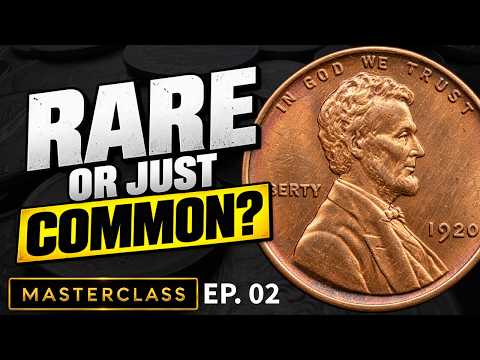
Actual collection specimen, identified by the owner as featured in How Do I Know If My Coin Is Rare? | 1920 Wheat Penny.
FACE VALUE
1¢ · One cent (0.01 USD)
COMPOSITION
Bronze (95% copper, 5% tin and zinc)
WEIGHT
3.11 g (standard)
THE STORY BEHIND THE COIN
History of the 1920 Lincoln Wheat Cent
The Lincoln cent began in 1909. The wheat reverse remained in use through 1958 and was followed by the Lincoln Memorial reverse in 1959. Victor David Brenner designed the portrait and wheat reverse. This 1920 example is attributed to Philadelphia, whose regular issue has no mintmark.
IDENTIFICATION GUIDE
How to Identify This Coin
Obverse
Lincoln faces right, with LIBERTY to the left, IN GOD WE TRUST above and 1920 at the lower right. No D or S is visible below the date. Numerous lines and marks are visible across the surface.
Reverse
Two wheat ears frame ONE CENT and UNITED STATES OF AMERICA, with E PLURIBUS UNUM along the upper rim.
No Mintmark
Philadelphia circulation issue; no D or S is visible below the date. No mintmark is normal for this issue.
Bronze Composition
95% copper with 5% tin and zinc. Standard specifications, not a laboratory analysis of this specimen.
Collector's Note
Both sides show numerous lines and marks. Dark patches and a green-colored area are visible on the obverse. These are photographic observations, not a diagnosis of their cause, a certified grade or an error attribution.
COIN VALUE
What Is a 1920 Lincoln Wheat Cent Worth?
Age and the absence of a mintmark do not by themselves make this coin rare. The extensive surface lines, marks and discoloration matter when comparing examples. No numerical grade, formal copper color designation or error attribution is claimed.
Compare recent completed sales of raw 1920 Philadelphia cents with similar wear and surface marks. Separate 1920-D and 1920-S, certified Mint State examples, attributed errors and lots. No specimen cash estimate has been independently verified.
VIDEO LIBRARY
Watch Our Videos Featuring This Coin
IN-DEPTH COIN GUIDE
1920 Lincoln Wheat Cent: Identification, Rarity & Value Research
A 1920 Wheat Penny from our collection
A 1920 Lincoln Wheat Penny can be historically interesting without belonging to the market for rare or exceptional coins. The first step is to identify the exact issue. The next is to evaluate the individual specimen, including wear and surface problems. Only then does it make sense to compare prices. Searching the date alone brings together coins that may differ greatly in preservation, mint and attribution.
This page documents our actual collection coin. The supplied photographs show 1920 beside Lincoln and wheat ears on the reverse. No mintmark is visible below the date. Both sides have extensive lines and marks, with uneven coloration and dark patches. We describe those visible features without assigning a professional grade, diagnosing a treatment or claiming a mint error. The owner identifies this specimen as featured in our linked masterclass video.
Identification: date, mint and reverse
Start on the obverse. Abraham Lincoln faces right, LIBERTY appears to the left and IN GOD WE TRUST follows the upper rim. The date is at the lower right. Look immediately below it for a mintmark. In our photograph, no D or S is visible. The reverse has ONE CENT and UNITED STATES OF AMERICA between two wheat ears, with E PLURIBUS UNUM above.
Record these observations together. A loose coin should not be identified by one blurry numeral or by a seller's title alone. If the date is difficult to read, take another photograph with soft light from a different direction. Keep the entire coin in the image as well as any close-up. That gives another collector enough context to check your identification rather than relying on an isolated detail.
Philadelphia and the absence of a mintmark
The normal Philadelphia issue has no mintmark. PCGS identifies the regular 1920 unmarked cent with that mint. The missing letter is therefore not, by itself, an error. Denver and San Francisco examples require separate comparisons. When researching a coin, check the mint before selecting transactions, since a shared date does not make every example interchangeable.
For this specimen, Philadelphia is the catalogue attribution based on the visible absence of a D or S. No unusual missing-mintmark variety is claimed. If you inspect another example with an obscured area below the date, record the uncertainty rather than guessing. Avoid scraping or rubbing a surface to expose a possible letter. A clearer image or an informed in-hand examination provides a better basis for a decision.
Standard specifications
PCGS lists the Philadelphia 1920 cent at 3.11 grams and 19 millimeters, with a plain edge and an alloy of 95% copper and 5% tin and zinc. Victor David Brenner is the designer. The reported mintage is 310,165,000. These figures are reference specifications for the issue, not measurements or a metal analysis of the photographed coin.
Use specifications as part of an identification process rather than a stand-alone verdict. Weigh your own example if needed and record the actual measurement separately. Wear, deposits, damage and an unsuitable scale can complicate a comparison. A difference from the published weight deserves investigation, but it does not automatically establish an error or counterfeit. Consider the design, dimensions and physical condition together.
Why the wheat reverse matters
The U.S. Mint dates the wheat reverse to 1909 through 1958. It was followed by the Lincoln Memorial reverse in 1959. The wheat ears therefore identify an earlier design period, but not a particular date's rarity. A new collector can use the reverse to sort a group before examining dates and mintmarks more closely.
A useful inventory separates series identification from specimen description. “Lincoln Wheat Cent” names the type, while “1920, no visible mintmark” narrows the issue. Notes about scratches, stains or worn lettering describe the individual piece. Keeping those layers distinct makes the record easier to update if new photographs, measurements or a specialist opinion provide additional information later.
Condition notes for this specimen
The supplied photographs show many closely spaced lines across the portrait, fields and reverse lettering. There are also dark patches and a green-colored area near the lower obverse rim. These observations should remain visible in a listing or inventory. They are not evidence that the coin is unusually valuable. We cannot determine the origin or chemical cause of every feature from these two images.
No numerical grade, copper color designation or cleaning history has been assigned. When comparing this coin with others, consider the extent of wear together with the surface marks. Do not select a sharply preserved example simply because its date matches. A comparison becomes useful when a buyer would recognize broadly similar preservation and problems in both pieces.
Is the 1920 Wheat Penny rare?
An old date and a wheat reverse do not automatically establish rarity. The ordinary Philadelphia issue must be distinguished from exceptional preservation, attributed varieties and other mints. A broad search can mix all of these categories together. Before interpreting a high price, identify what the buyer actually purchased and whether its characteristics match your coin.
For a beginner collection, an accessible older cent can still have educational value. It can illustrate a design, introduce mintmark research or fill a date slot. Those reasons do not depend on an extraordinary selling price. Deciding why you want to keep a coin helps determine how much time and money to spend on further research, photography or professional evaluation.
How to research a realistic market value
Write a short description before opening a marketplace: 1920 Philadelphia Lincoln Wheat Cent, raw, with visible wear and extensive surface marks. Use that description to choose comparable sales. Check the photographs and details of each result rather than collecting prices from headlines. If the issue or condition cannot be established, leave the result out of your estimate.
Keep a dated record of the transaction currency, coin count, shipping terms and important condition differences. Explain why each comparison belongs in the group. A few defensible examples can be more useful than dozens of unrelated results. This page does not assign a current cash estimate because individual completed transactions have not been independently verified as comparable to our specimen.
eBay sold listings: what to include and exclude
Search for 1920 Lincoln Wheat Cent no mintmark, then inspect sold results individually. Separate coins with D or S mintmarks, rolls, mixed lots, certified pieces and claimed errors. A search filter helps locate candidates; it does not establish that every returned item is a relevant comparison. Read the description alongside the images.
Record shipping separately and check whether an accepted offer makes the actual transaction amount uncertain. A crossed-out asking price is not enough evidence for an exact sold figure. Likewise, the price of a group cannot be treated as the price of one selected coin. The link on this page is a changing research search, not a claim that our collection coin sold.
Using guides and auction records
Reference guides are useful for organizing issues and understanding condition categories. Before using a figure, establish what market, grade and certification assumptions it represents. A retail guide figure is not automatically a dealer's purchase offer. Certified Mint State examples and raw coins with extensive marks can attract different buyers and require different comparisons.
An impressive auction record also needs context. Open the actual lot, check the attribution and condition, and establish whether anything unusual explains the result. Do not assume that a large number shown beside a date applies to every specimen. For our coin, no exceptional grade, special variety or record-price comparison is claimed. The emphasis remains on identification and observable condition.
Could the lines or dark areas be mint errors?
An unusual-looking surface is a reason to examine a coin carefully, not a sufficient basis for an error attribution. Document where a feature appears and how it relates to the design. Additional photographs under different lighting may help distinguish a mark from a reflection. Avoid naming a specific error unless its diagnostic evidence can be demonstrated.
For the pictured cent, the catalogue records visible lines, patches and wear. It does not identify a doubled die, a missing-mintmark error or another premium attribution. If a specialist later establishes something more specific, retain the supporting documentation with the inventory record. That makes an updated description traceable instead of turning a tentative impression into a permanent unsupported claim.
Planning a sale
Consider the likely proceeds alongside the effort required. Possible routes include a dealer offer, a collector transaction or an online listing. Packaging, postage and selling fees can matter substantially for an inexpensive coin. A clearly described group may sometimes be more practical than shipping a single ordinary cent, but that decision should follow real offers and relevant comparisons.
Use straightforward wording and photographs of the actual piece. A working title could be “1920 Lincoln Wheat Cent, No Mintmark, Circulated, Surface Marks.” Describe visible concerns without promising a grade you cannot support. Ask how payment and delivery will work before accepting an offer. A well-documented ordinary coin is easier to evaluate than one surrounded by exaggerated claims.
Photographs, handling and storage
Keep both sides in focus and photograph the complete rim. Use additional images for the date, mintmark area or surface concerns. Avoid filters that change color or hide marks. The original photographs on this catalogue page serve as specimen documentation, so a viewer can inspect the same coin that the written description discusses.
Handle the coin by the edge and use a holder intended for coins. Keep identification notes and photographs associated with a simple inventory number. Avoid polishing or household treatments to make the coin look more attractive. If a colored area raises a conservation concern, obtain informed advice rather than assuming a diagnosis from a photograph. Record its appearance before taking any action.
The masterclass connection
The owner identifies this specimen as featured in “How Do I Know If My Coin Is Rare?” Watch the linked Money Coins Collection video alongside this written record. The coin offers a practical example for separating an interesting old date from a supported rarity claim, while keeping mint identification and condition at the center of research.
A video appearance does not establish that a coin sold or received a professional grade. Keep the specimen record separate from any illustrative price used for another example. If you are preparing a collection for sale, organize identification notes, photographs and dated comparisons first. Our digital selling guide provides a broader preparation resource for that process.
Frequently asked questions
Does no mintmark make this a rare error? No. The unmarked Philadelphia issue is normal. Another attribution requires separate supporting evidence.
Is the photographed coin certified? No certification has been supplied. We have not assigned a numerical grade, formal copper color category or error attribution.
Are the weight and diameter measured from this coin? No. They are published issue specifications. Actual measurements should be recorded separately.
Is a current selling price verified here? No. The research links help locate comparisons, but individual completed transactions have not been independently confirmed for a specimen estimate.
Should I polish the coin before selling? Avoid changing the surface to improve appearance. Clear photographs and an honest condition description provide a sounder starting point for assessment.